

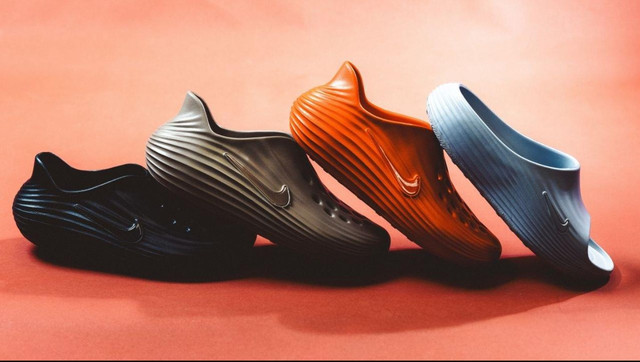
Finding the right shoes for men is about much more than simply covering your feet. The perfect pair can improve comfort, boost confidence, enhance performance, and complete an outfit effortlessly. Whether you’re heading to the office, attending a formal event, hitting the gym, or enjoying a casual weekend outing, selecting the right footwear plays a major role in both appearance and functionality.
Today’s footwear market offers countless options designed for different lifestyles and preferences. From elegant dress shoes and versatile sneakers to rugged boots and specialized athletic footwear, men have more choices than ever before. However, with so many options available, selecting the ideal pair can sometimes feel overwhelming.
This comprehensive guide explores everything you need to know about men’s footwear, including popular styles, essential features, buying considerations, maintenance tips, and emerging trends. By understanding the characteristics of different shoe types, you’ll be better equipped to make informed purchasing decisions that provide long-lasting value and comfort.
Why Quality Footwear Matters
Many people underestimate the importance of investing in quality footwear. Shoes are one of the few clothing items that directly impact physical health, posture, and daily comfort. Wearing poorly fitted or low-quality shoes can contribute to foot pain, fatigue, and even long-term joint problems.

High-quality footwear offers superior support, cushioning, and durability. Proper arch support helps distribute body weight evenly, reducing strain on the feet and lower body. Additionally, quality materials improve breathability, preventing discomfort during extended wear.
Beyond health benefits, footwear significantly influences personal style. A well-chosen pair can elevate a simple outfit and create a polished appearance. Whether paired with business attire or casual clothing, the right shoes communicate attention to detail and personal confidence.
When shopping for shoes for men, it is wise to view footwear as an investment rather than merely an expense. Durable, comfortable shoes often provide better value over time compared to cheaper alternatives that wear out quickly.
Popular Types of Shoes for Men
Understanding the various categories of men’s footwear helps simplify the buying process. Different styles serve different purposes and occasions.

Dress Shoes
Dress shoes are essential for formal and professional settings. Common styles include:
- Oxfords
- Derbies
- Monk straps
- Loafers
- Brogues
These shoes are typically crafted from leather and designed to complement suits, dress pants, and formal attire.
Casual Shoes
Casual footwear offers versatility and comfort for everyday wear. Popular options include sneakers, slip-ons, and canvas shoes. These styles work well with jeans, chinos, and relaxed outfits.
Athletic Shoes
Athletic footwear is designed specifically for physical activity. Running shoes, training shoes, and sports-specific footwear provide enhanced cushioning, stability, and performance support.
Boots
Boots combine functionality and style. Depending on the design, they can be suitable for work, outdoor activities, or fashion purposes. Common styles include Chelsea boots, work boots, hiking boots, and chukka boots.
Sandals and Slides
Ideal for warm weather, sandals and slides offer breathability and convenience. Modern designs balance comfort with contemporary style.
Choosing the Right Shoes for Men
Selecting the perfect footwear involves considering several important factors. A stylish shoe is only valuable if it also delivers comfort and functionality.
Purpose and Occasion
Before purchasing, determine where and how the shoes will be used. Formal events require different footwear than athletic activities or casual outings.
Comfort and Fit
Comfort should always be a top priority. Shoes that fit properly reduce the risk of blisters, foot pain, and posture issues. Consider the following:
- Adequate toe room
- Proper arch support
- Secure heel fit
- Appropriate width
- Comfortable cushioning
Trying shoes on later in the day can provide a more accurate fit since feet naturally expand throughout daily activities.
Material Quality
The materials used in construction greatly affect durability and comfort. Leather, suede, mesh, knit fabrics, and synthetic materials each offer unique benefits.
Budget Considerations
While premium footwear often provides better durability, many affordable options also deliver excellent value. Balancing quality and budget ensures a smart purchase.
Comparison of Common Men’s Shoe Types
| Shoe Type | Best Use | Comfort Level | Formality | Durability |
|---|---|---|---|---|
| Oxford Shoes | Formal Events | Medium | High | High |
| Loafers | Business Casual | High | Medium | High |
| Sneakers | Everyday Wear | Very High | Low | Medium |
| Running Shoes | Exercise | Very High | Low | Medium |
| Chelsea Boots | Casual & Smart Casual | High | Medium | High |
| Hiking Boots | Outdoor Activities | High | Low | Very High |
This table provides a quick overview to help buyers compare common footwear categories.
Materials Used in Modern Footwear
The material of a shoe significantly impacts its performance, appearance, and longevity. Understanding these materials can help buyers make better choices.
Leather
Leather remains one of the most popular materials for premium footwear. It offers durability, flexibility, and a sophisticated appearance. Properly maintained leather shoes can last for many years.
Suede
Suede provides a softer texture and stylish appearance. It is commonly used in casual and smart-casual footwear but requires more careful maintenance.
Mesh Fabrics
Athletic shoes frequently utilize mesh materials because they improve airflow and help keep feet cool during physical activity.
Synthetic Materials
Modern synthetic materials are lightweight, affordable, and often water-resistant. Advances in manufacturing have significantly improved their quality and durability.
Rubber Soles
Rubber soles enhance traction, flexibility, and shock absorption. They are commonly found in sneakers, boots, and performance footwear.
When selecting shoes for men, material quality should be carefully evaluated to ensure long-term satisfaction.
Current Trends in Men’s Footwear
The footwear industry continues evolving as fashion trends and consumer preferences change. Several trends currently dominate the market.
Minimalist Designs
Simple, clean aesthetics remain highly popular. Minimalist sneakers and understated dress shoes offer versatility and timeless appeal.
Sustainable Footwear
Eco-conscious consumers increasingly seek footwear made from recycled materials and sustainable manufacturing processes.
Hybrid Styles
Many brands now combine athletic comfort with formal styling. These hybrid designs provide versatility for modern lifestyles.
Retro-Inspired Sneakers
Vintage-inspired sneakers continue gaining popularity, blending nostalgic design elements with contemporary comfort technologies.
Performance Technology
Advanced cushioning systems, lightweight materials, and ergonomic designs are becoming standard features across many categories.
These trends demonstrate how modern shoes for men increasingly prioritize both style and functionality.
How to Maintain Your Shoes
Proper maintenance extends footwear lifespan and preserves appearance. A consistent care routine can significantly increase the value of your investment.
Regular Cleaning
Remove dirt and debris after each use. Different materials require different cleaning methods, so follow manufacturer recommendations.
Use Shoe Trees
Shoe trees help maintain shape and reduce creasing, particularly in leather footwear.
Rotate Your Footwear
Avoid wearing the same pair every day. Rotating shoes allows them to air out and recover between uses.
Protect Against Moisture
Waterproof sprays and protective treatments can help prevent damage from rain and moisture.
Store Properly
Keep shoes in a cool, dry environment away from direct sunlight to preserve materials and colors.
Consistent maintenance keeps shoes for men looking attractive while maximizing their durability.
Common Mistakes When Buying Shoes
Many consumers make avoidable mistakes when purchasing footwear. Being aware of these pitfalls can improve buying decisions.
Prioritizing Style Over Comfort
Attractive shoes are important, but comfort should never be sacrificed entirely for appearance.
Ignoring Proper Fit
Different brands may use different sizing standards. Always focus on fit rather than relying solely on size labels.
Choosing the Cheapest Option
Extremely inexpensive shoes often wear out quickly, leading to higher long-term costs.
Overlooking Intended Use
Using shoes for activities they were not designed for can result in discomfort and premature wear.
Skipping Product Research
Reading reviews and comparing features helps ensure satisfaction with your purchase.
Avoiding these mistakes can lead to better footwear choices and improved overall value.
Building a Versatile Shoe Collection
A well-rounded collection allows men to dress appropriately for various occasions without owning excessive pairs.
Essential Footwear Categories
Every man should consider owning:
- One pair of formal dress shoes
- One pair of versatile loafers
- One pair of quality sneakers
- One pair of athletic shoes
- One pair of boots
- Seasonal sandals or slides
This balanced approach covers most lifestyle needs while maintaining flexibility and style.
By investing strategically, men can build a footwear collection that remains functional and fashionable for years.
Conclusion
Choosing the right shoes for men requires careful consideration of style, comfort, quality, and intended use. Footwear plays a vital role in daily life, influencing not only appearance but also overall comfort and physical well-being. Whether selecting dress shoes for professional settings, sneakers for everyday wear, or specialized athletic footwear, understanding key features helps ensure a smarter purchase.
Read more: Cloths: A Complete Guide to Fabrics, Fashion, and Proper Care

