

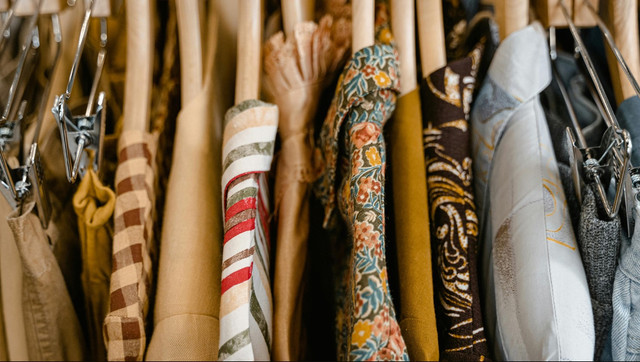
The world of fashion continues to evolve, but one thing remains essential in everyday life: cloths. From casual wear and professional outfits to seasonal garments and special occasion attire, cloths play a significant role in personal comfort, self-expression, and confidence. The quality, style, and maintenance of cloths can greatly influence both appearance and longevity.
As consumer awareness grows, people are becoming more interested in understanding fabric quality, sustainable production, and smart shopping practices. Whether you are building a versatile wardrobe, following fashion trends, or learning how to care for your garments properly, understanding cloths can help you make better choices.
This comprehensive guide explores different types of fabrics, current fashion trends, essential buying considerations, and practical maintenance tips to ensure your wardrobe remains stylish and durable for years.
Understanding the Importance of Cloths
Cloths are much more than pieces of fabric stitched together. They serve practical purposes such as protection from weather conditions, while also helping individuals express their personalities and lifestyles. Throughout history, clothing has reflected social status, cultural identity, and personal taste.
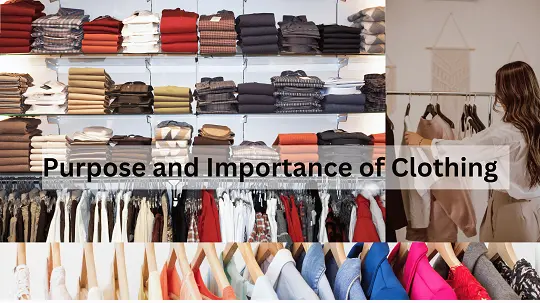
Modern consumers have access to an enormous variety of cloths, ranging from budget-friendly options to luxury designer collections. The availability of different materials, styles, and brands allows individuals to find garments that suit their specific needs and preferences.
Today’s fashion industry emphasizes comfort, sustainability, and functionality alongside aesthetics. As a result, consumers are increasingly seeking cloths that offer both style and long-term value.
Different Types of Fabric Used in Cloths
The fabric used in cloths significantly affects comfort, durability, and appearance. Understanding common fabric types helps consumers make informed purchasing decisions.
Cotton
Cotton remains one of the most popular materials due to its softness, breathability, and versatility. It is suitable for everyday wear and performs well in warm climates.
Polyester
Polyester is known for durability, wrinkle resistance, and affordability. Many manufacturers blend polyester with natural fibers to improve garment performance.
Linen
Linen offers exceptional breathability and moisture absorption, making it ideal for summer garments. It provides a relaxed and elegant appearance.
Wool
Wool is widely used in winter clothing due to its excellent insulation properties. It helps retain warmth while remaining breathable.
Silk
Silk is a luxurious natural fiber valued for its smooth texture and elegant appearance. It is commonly used in formal and premium fashion items.
Denim
Denim remains a timeless fabric used primarily for jeans, jackets, and casual wear. Its durability makes it a long-lasting wardrobe staple.
Comparison of Popular Fabric Types
| Fabric Type | Comfort Level | Durability | Best Season | Maintenance |
|---|---|---|---|---|
| Cotton | High | Medium | Summer | Easy |
| Polyester | Medium | High | All Seasons | Very Easy |
| Linen | High | Medium | Summer | Moderate |
| Wool | High | High | Winter | Moderate |
| Silk | Very High | Medium | All Seasons | Delicate |
| Denim | Medium | Very High | All Seasons | Easy |
This comparison highlights the strengths and limitations of various fabrics commonly found in cloths.
Current Fashion Trends in Cloths
Fashion trends constantly change, influenced by cultural movements, technological innovations, and consumer preferences. Several trends currently dominate the clothing industry.
Sustainable Fashion
Consumers are increasingly prioritizing environmentally friendly cloths produced using sustainable materials and ethical manufacturing processes.
Minimalist Wardrobes
Many individuals prefer versatile garments that can be mixed and matched easily. Minimalist fashion emphasizes quality over quantity.
Oversized Fits
Loose-fitting garments continue to gain popularity due to their comfort and modern appearance.
Neutral Colors
Earth tones and neutral shades remain fashionable because they offer flexibility and timeless appeal.
Athleisure Wear
The combination of athletic functionality and casual style has transformed everyday fashion. Athleisure clothing remains one of the fastest-growing categories.
These trends demonstrate how modern cloths combine practicality with contemporary design.
How to Choose High-Quality Cloths
Selecting quality garments requires more than simply choosing attractive designs. Several factors should be considered before making a purchase.
Examine Fabric Quality
High-quality fabrics generally feel comfortable, maintain their shape, and withstand repeated washing.
Check Stitching
Well-constructed garments feature consistent stitching with no loose threads or uneven seams.
Evaluate Fit
Properly fitting cloths enhance comfort and appearance while reducing wear and tear caused by excessive strain.
Read Care Labels
Care instructions provide valuable information regarding maintenance requirements and expected durability.
Consider Cost Per Wear
A higher-priced garment may offer better long-term value if it lasts significantly longer than cheaper alternatives.
Paying attention to these details helps consumers build wardrobes filled with reliable and stylish clothing.
Benefits of Investing in Quality Cloths
While budget-friendly options may seem appealing initially, quality garments often provide superior value over time.
Some key benefits include:
- Greater durability and lifespan
- Improved comfort and fit
- Better fabric performance
- Enhanced appearance after repeated washing
- Reduced need for frequent replacements
- More sustainable consumption habits
Investing in premium cloths can save money in the long run while improving overall wardrobe quality.
Seasonal Considerations When Buying Cloths
Different seasons require different types of garments and materials. Choosing season-appropriate clothing improves comfort and practicality.
Summer Clothing
Lightweight and breathable fabrics such as cotton and linen help regulate body temperature during hot weather.
Winter Clothing
Wool, fleece, and insulated materials provide warmth and protection from cold conditions.
Spring and Autumn Clothing
Layering pieces such as cardigans, light jackets, and long-sleeve shirts offer flexibility during changing temperatures.
A seasonal approach ensures that cloths remain functional throughout the year.
Proper Care and Maintenance of Cloths
Even the highest-quality garments require proper maintenance to maximize longevity. Effective care practices preserve appearance, fit, and fabric integrity.
Follow Washing Instructions
Always follow manufacturer recommendations regarding water temperature, detergents, and drying methods.
Separate Laundry Properly
Sorting garments by color and fabric type prevents damage and color transfer.
Avoid Overwashing
Frequent washing can accelerate fabric wear. Some garments only require occasional cleaning.
Store Correctly
Use appropriate hangers and storage methods to maintain garment shape and prevent wrinkles.
Repair Minor Damage Promptly
Addressing loose buttons, small tears, or damaged seams early can prevent more significant issues later.
These simple maintenance habits help extend the life of cloths considerably.
The Growing Importance of Sustainable Cloths
Environmental concerns have encouraged both manufacturers and consumers to seek more sustainable clothing solutions. Fast fashion has contributed significantly to textile waste and environmental challenges.
Sustainable cloths often utilize:
- Organic cotton
- Recycled polyester
- Eco-friendly dyes
- Ethical labor practices
- Reduced water consumption
Consumers increasingly support brands that demonstrate environmental responsibility and transparency in their production processes.
The shift toward sustainability benefits both the environment and future generations while encouraging more responsible consumption habits.
Online vs. In-Store Shopping for Cloths
Modern shoppers can choose between online and physical retail experiences. Each option offers distinct advantages.
Advantages of Online Shopping
- Greater product variety
- Easy price comparisons
- Convenient purchasing process
- Access to customer reviews
Advantages of In-Store Shopping
- Ability to try garments before purchasing
- Immediate product availability
- Direct assessment of fabric quality
- Personalized assistance from staff
Many consumers combine both approaches to maximize convenience and confidence when purchasing cloths.
Future Innovations in the Clothing Industry
Technological advancements continue to reshape the fashion industry. Emerging innovations are expected to improve comfort, sustainability, and functionality.
Some notable developments include:
Smart Fabrics
These materials can monitor body temperature, movement, and health metrics.
3D Printing
Manufacturers are exploring custom garment production using advanced printing technologies.
Artificial Intelligence
AI-powered systems assist with design, inventory management, and personalized shopping recommendations.
Recycling Technologies
New methods allow old garments to be transformed into high-quality new textiles.
These innovations may significantly influence the future development of cloths and fashion worldwide.
Conclusion
Cloths remain an essential part of daily life, providing comfort, protection, and personal expression. Understanding fabric types, quality indicators, seasonal requirements, and maintenance practices enables consumers to make informed purchasing decisions. As fashion continues evolving, trends such as sustainability, smart fabrics, and ethical production are becoming increasingly important.
Read more: Best Travel Destinations 2025: Top Places to Explore This Year

