


India is rapidly embracing renewable energy as households and businesses seek cost-effective and sustainable alternatives to traditional electricity sources. Among all renewable energy solutions, solar power has emerged as the most practical and accessible option. The growing demand for clean energy has encouraged manufacturers to develop advanced solar technologies that offer higher efficiency, durability, and long-term savings. As a result, choosing the best solar panels in India has become an important decision for anyone planning to reduce electricity costs and contribute to environmental conservation.
The Indian solar industry has witnessed remarkable growth over the last decade. Government incentives, falling installation costs, and increasing awareness about sustainability have encouraged more people to invest in solar energy systems. Modern solar panels are designed to perform efficiently even under challenging weather conditions, making them suitable for diverse Indian climates. Whether you own a residential property, commercial establishment, or industrial facility, installing solar panels can significantly reduce your dependence on conventional power sources while providing substantial financial benefits over time.
Why Solar Energy Is Growing in India
India receives abundant sunlight throughout the year, making it one of the most favorable countries for solar energy generation. Most regions receive between 4 and 7 kilowatt-hours of solar radiation per square meter daily, creating excellent conditions for solar power production. This natural advantage allows homeowners and businesses to harness renewable energy effectively and reduce electricity expenses.
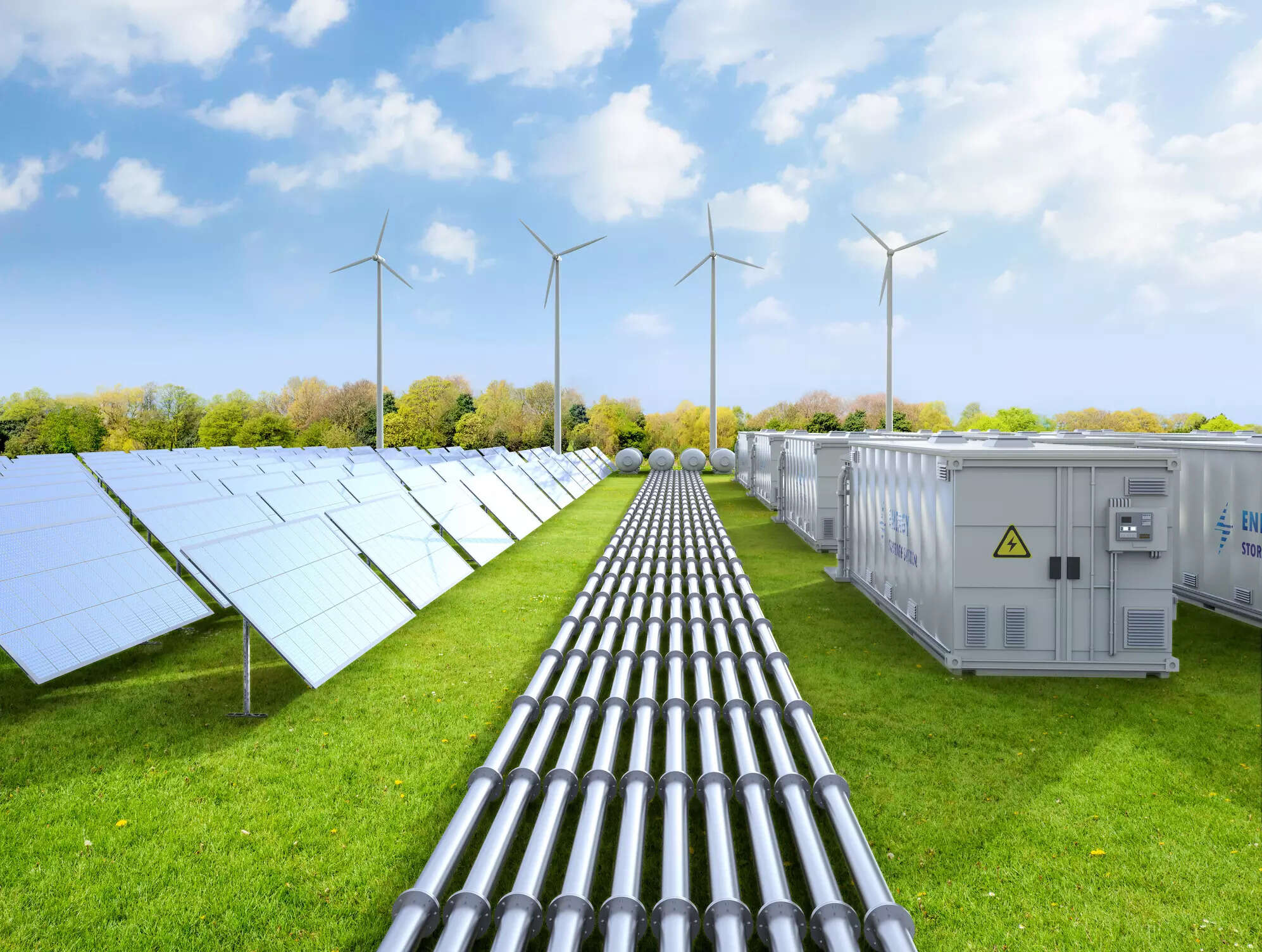
Another major factor driving solar adoption is the increasing cost of traditional electricity. Utility rates continue to rise, prompting consumers to explore alternative energy solutions. Solar panels provide a long-term answer by generating free electricity from sunlight after the initial installation investment. Additionally, various government initiatives and subsidy programs have made solar systems more affordable for residential users.
The environmental benefits are equally significant. Solar energy reduces carbon emissions, decreases dependence on fossil fuels, and supports India’s sustainability goals. As awareness about climate change grows, more consumers are choosing solar power as a responsible and practical energy solution.
Understanding Different Types of Solar Panels
Before selecting the best solar panels in India, it is essential to understand the different types available in the market. Each type offers unique advantages depending on budget, space availability, and energy requirements.
Monocrystalline Solar Panels
Monocrystalline panels are manufactured from a single crystal silicon structure. They are known for their high efficiency, sleek appearance, and excellent performance in limited space. These panels typically generate more electricity per square foot compared to other technologies, making them ideal for urban homes with smaller rooftops.
Polycrystalline Solar Panels
Polycrystalline panels are produced using multiple silicon fragments melted together. They are generally more affordable than monocrystalline options and provide reliable performance. Although slightly less efficient, they remain a popular choice for budget-conscious consumers seeking dependable solar solutions.
Thin-Film Solar Panels
Thin-film technology uses lightweight photovoltaic materials applied to a flexible surface. These panels are easier to install and work well for specific commercial applications. However, they usually require more space due to lower efficiency levels compared to crystalline silicon panels.
Understanding these technologies helps consumers make informed decisions based on energy needs and financial considerations.
Key Features to Look for in Solar Panels
When evaluating solar products, several factors determine overall performance and value. Efficiency is among the most important considerations because it directly impacts electricity generation. Higher-efficiency panels produce more power from the same amount of sunlight, making them ideal for limited roof spaces.
Durability is another crucial factor. Quality solar panels are designed to withstand extreme weather conditions, including heavy rainfall, high temperatures, strong winds, and dust. Consumers should also review warranty coverage, as reputable manufacturers often provide performance warranties extending 20 to 25 years.
Temperature coefficient is an often-overlooked specification that affects panel performance in hot climates. Since many regions in India experience high temperatures, selecting panels with better temperature tolerance can improve long-term energy output. Additionally, certifications and quality standards ensure the product has undergone rigorous testing and meets industry requirements.
By carefully comparing these features, buyers can identify the most suitable solar solutions for their specific needs.
Top Solar Panel Brands in India
Several manufacturers have established strong reputations in the Indian solar market by offering reliable and efficient products. These brands continuously invest in research and development to improve panel performance and longevity.
| Brand | Known For | Efficiency Range | Suitable For |
|---|---|---|---|
| Tata Power Solar | Reliability and service | High | Residential and commercial |
| Waaree | Wide product range | High | Homes and businesses |
| Adani Solar | Advanced technology | High | Large-scale installations |
| Vikram Solar | Quality manufacturing | Medium to High | Residential projects |
| RenewSys | Durable panels | Medium to High | Various applications |
| Loom Solar | Smart solar solutions | High | Residential users |
These brands have gained customer trust through consistent product quality, warranty support, and nationwide service networks.
Benefits of Installing Solar Panels
Investing in solar energy offers numerous financial and environmental advantages. One of the biggest benefits is the reduction in monthly electricity bills. Once installed, solar systems generate power from sunlight, helping homeowners save significantly over the system’s lifespan.
Additional benefits include:
- Lower dependence on grid electricity
- Protection against rising utility costs
- Reduced carbon footprint
- Increased property value
- Minimal maintenance requirements
- Long operational lifespan
- Eligibility for government incentives
These advantages make solar energy an attractive investment for households and businesses alike. As energy demands continue to grow, solar systems provide a practical and sustainable solution that delivers long-term returns.
How to Choose the Best Solar Panels in India
Selecting the best solar panels in India requires careful planning and assessment of individual energy needs. The first step is calculating average electricity consumption. Reviewing monthly utility bills can provide valuable insights into energy usage patterns and help determine the required system capacity.
Roof space availability is another important consideration. Homes with limited roof area may benefit from high-efficiency monocrystalline panels, while larger properties can explore more economical alternatives. Budget planning should include installation costs, inverter expenses, mounting structures, and maintenance considerations.
Consumers should also evaluate manufacturer reputation, warranty terms, and after-sales support. Choosing a trusted installer is equally important because proper installation directly influences system performance and safety. Obtaining multiple quotations allows buyers to compare products and services effectively before making a final decision.
A well-planned solar installation can maximize energy production and deliver excellent returns on investment over many years.
Installation Process and What to Expect
The installation process begins with a site assessment conducted by a solar professional. During this evaluation, experts analyze roof orientation, shading conditions, structural integrity, and electricity requirements. Based on these findings, a customized solar system design is prepared.
Once approvals are completed, installation typically takes a few days depending on system size. Solar panels are securely mounted on the roof and connected to an inverter, which converts generated direct current into usable alternating current. Wiring and safety components are installed according to industry standards.
After installation, the system undergoes testing to verify proper operation. Many modern systems include monitoring capabilities that allow users to track energy production through mobile applications or online dashboards. Routine maintenance usually involves periodic cleaning and inspections to ensure optimal performance throughout the system’s lifespan.
Cost and Return on Investment
The cost of solar panels varies based on technology, capacity, installation complexity, and equipment quality. Although the initial investment may seem significant, long-term savings often outweigh upfront expenses. Most solar systems continue generating electricity for 25 years or more, creating substantial financial benefits over time.
Return on investment depends on factors such as electricity rates, sunlight availability, and energy consumption patterns. Homes with higher electricity usage generally achieve faster payback periods because they offset larger utility expenses. Government incentives and subsidy programs can further improve affordability and reduce installation costs.
As solar technology becomes more efficient and accessible, the overall value proposition continues to strengthen. Many property owners view solar installations as both an environmental commitment and a smart financial investment.
Future of Solar Energy in India
The future of solar energy in India appears exceptionally promising. Rapid technological advancements are improving panel efficiency, energy storage solutions, and system reliability. Innovations such as bifacial panels, smart monitoring systems, and advanced battery technologies are enhancing the overall solar experience for consumers.
Government policies continue to support renewable energy expansion, encouraging greater adoption across residential, commercial, and industrial sectors. As infrastructure improves and manufacturing capabilities expand, solar products are expected to become even more affordable and accessible.
Growing awareness about environmental sustainability is also influencing consumer behavior. More individuals and organizations are recognizing the importance of renewable energy in reducing greenhouse gas emissions and promoting energy independence. These trends position solar power as a critical component of India’s future energy landscape.
Conclusion
Choosing the best solar panels in India is an important step toward achieving long-term energy savings and environmental sustainability. With abundant sunlight, supportive government policies, and continuous technological advancements, India offers excellent opportunities for solar adoption. Understanding panel types, evaluating efficiency, comparing reputable brands, and selecting a qualified installer can help ensure a successful investment.
Read more: Real Estate Investing Tips for Long-Term Wealth Building

