


India is rapidly moving toward clean and sustainable energy solutions, and solar power has become one of the most effective ways to reduce dependence on conventional electricity sources. To make solar energy adoption easier for citizens, the Government of India launched the National Portal for Rooftop Solar. This digital platform simplifies the entire process of applying for rooftop solar systems, claiming subsidies, tracking applications, and connecting with authorized vendors.
The portal has transformed how homeowners interact with solar energy programs by creating a single-window system for installation and subsidy management. Instead of navigating multiple agencies and paperwork, consumers can complete most tasks online. As energy costs continue to rise and environmental concerns become more important, rooftop solar systems offer an attractive solution for households seeking long-term savings and energy independence.
This article provides a detailed overview of the National Portal for Rooftop Solar, including its features, benefits, eligibility requirements, application process, subsidy structure, and future impact on India’s renewable energy goals.
Why Rooftop Solar Is Important in India
India receives abundant sunlight throughout the year, making solar energy one of the country’s most valuable renewable resources. Rooftop solar systems allow households to generate electricity directly from sunlight, reducing dependence on grid power and lowering electricity bills.
With increasing urbanization and energy demand, traditional energy sources face growing pressure. Solar power provides a sustainable alternative while helping reduce carbon emissions. Homeowners who install rooftop solar systems benefit from lower electricity costs, improved energy security, and reduced environmental impact.
The government’s commitment to renewable energy has accelerated the adoption of solar technology. Through initiatives like the National Portal for Rooftop Solar, citizens can participate directly in India’s clean energy transition.
What Is the National Portal for Rooftop Solar?
The National Portal for Rooftop Solar is an online platform designed to streamline rooftop solar adoption across India. It serves as a centralized system where residential consumers can apply for rooftop solar installations and subsidies without dealing with multiple agencies.

The portal simplifies communication between consumers, distribution companies, and approved solar vendors. It also improves transparency by allowing users to monitor the status of their applications and subsidy payments.
Key objectives of the portal include:
- Simplifying rooftop solar installation procedures
- Accelerating subsidy disbursement
- Increasing transparency in solar projects
- Encouraging renewable energy adoption
- Reducing administrative delays
By creating a unified digital platform, the government has significantly improved access to rooftop solar systems for residential consumers.
Key Features of the National Portal for Rooftop Solar
The platform offers several features designed to make the solar installation process convenient and efficient.
Single-Window Application System
Users can submit applications, upload documents, select vendors, and track progress through one portal. This reduces complexity and saves time.
Direct Subsidy Transfer
One of the most significant advantages of the National Portal for Rooftop Solar is the direct transfer of subsidies to eligible consumers. This minimizes delays and enhances transparency.
Vendor Selection
Consumers can choose from approved solar installation companies listed on the portal. This helps ensure quality installations and compliance with technical standards.
Real-Time Tracking
Applicants can monitor each stage of their solar project, from registration to subsidy approval, using their portal account.
Online Documentation
The platform supports digital document submission, reducing paperwork and making the process more efficient.
Benefits of Using the National Portal for Rooftop Solar
The portal offers numerous advantages for homeowners considering solar energy.
Simplified Process
The traditional rooftop solar installation process often involved multiple agencies and extensive paperwork. The portal centralizes these activities into a single system.
Transparency
Users can view application statuses and subsidy progress, reducing uncertainty and increasing trust in the system.
Financial Savings
Subsidies lower the initial cost of installation, making solar systems more affordable for households.
Faster Approval
Digital processing reduces delays associated with manual applications and physical documentation.
Quality Assurance
Approved vendors listed on the platform meet specified standards, helping consumers receive reliable installations.
Eligibility Criteria for Rooftop Solar Subsidies
To receive benefits through the National Portal for Rooftop Solar, applicants must satisfy specific eligibility conditions.
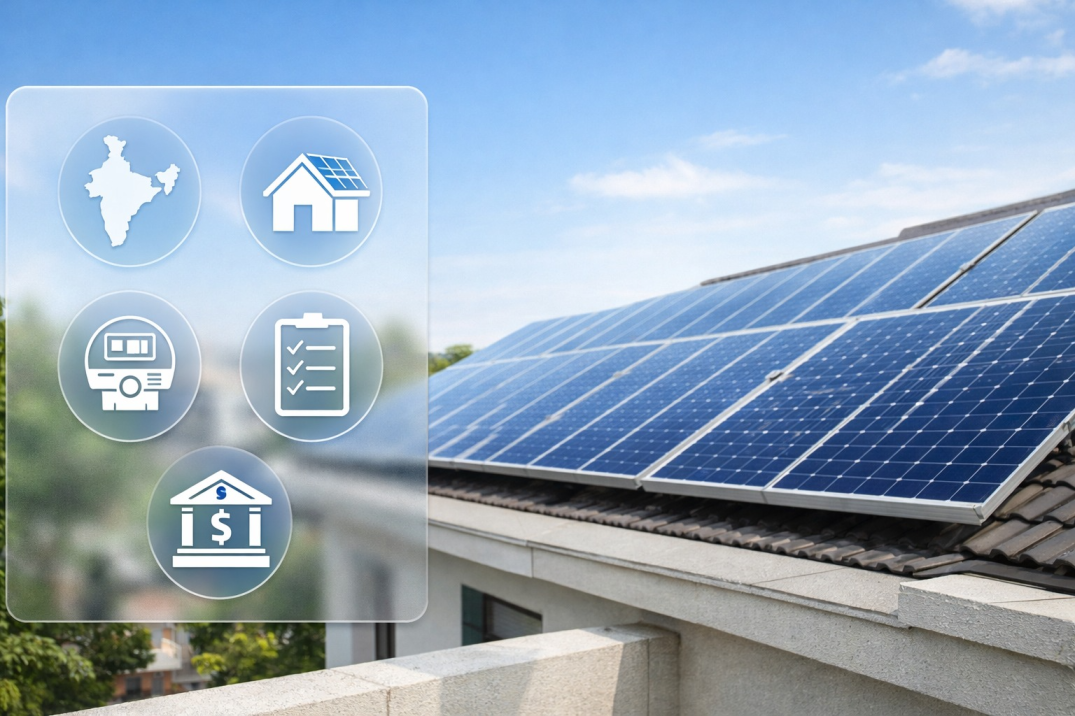
Generally, eligible applicants include residential electricity consumers who own suitable rooftop space for solar panel installation. The property should have a valid electricity connection and meet technical requirements established by the local distribution company.
Typical eligibility requirements include:
- Residential property ownership
- Valid electricity connection
- Suitable rooftop area
- Compliance with technical guidelines
- Installation through approved vendors
Commercial and industrial installations may not qualify for residential subsidy programs.
Step-by-Step Application Process
Applying through the portal is straightforward and user-friendly.
Step 1: Registration
Consumers create an account using their electricity consumer details and contact information.
Step 2: Application Submission
Applicants provide information regarding their property, electricity consumption, and proposed solar capacity.
Step 3: Vendor Selection
Users select an approved vendor from the available list and receive installation proposals.
Step 4: Technical Approval
The distribution company reviews the application and provides technical feasibility approval.
Step 5: Installation
The selected vendor installs the solar system according to approved specifications.
Step 6: Inspection
Authorities inspect the completed installation to verify compliance and safety standards.
Step 7: Net Metering
After approval, net metering arrangements are established, allowing consumers to export surplus electricity.
Step 8: Subsidy Release
Following successful verification, eligible subsidy amounts are transferred directly to the consumer’s bank account.
Understanding Subsidies and Financial Benefits
Government subsidies significantly reduce the cost of rooftop solar installations.
The subsidy amount depends on factors such as system size and prevailing government policies. These incentives make solar energy more accessible to middle-income and lower-income households.
Illustrative Cost Comparison
| System Capacity | Estimated Cost Before Subsidy | Potential Subsidy Benefit | Approximate Consumer Cost |
|---|---|---|---|
| 1 kW | Moderate | Available | Reduced |
| 2 kW | Moderate to High | Higher Benefit | Lower Net Cost |
| 3 kW | Higher | Significant Benefit | Affordable |
| 5 kW | High | Eligible Benefit | Reduced Investment |
| 10 kW | Premium | Limited by Policy | Lower Effective Cost |
Actual values may vary depending on market conditions, state regulations, and government policies.
How Net Metering Supports Solar Users
Net metering is an essential component of rooftop solar systems. It allows homeowners to send excess electricity generated by their solar panels back to the grid.
During sunny periods, solar systems often produce more electricity than the household consumes. This surplus energy is exported to the electricity network. Consumers receive credits that offset future electricity consumption.
Benefits of net metering include:
- Lower electricity bills
- Better utilization of solar energy
- Faster return on investment
- Enhanced energy efficiency
The National Portal for Rooftop Solar supports the integration of net metering procedures, making the process easier for users.
Choosing the Right Rooftop Solar System
Selecting an appropriate solar system is crucial for maximizing benefits.
Assess Energy Consumption
Review monthly electricity bills to understand average energy usage. This helps determine the ideal solar system size.
Evaluate Roof Space
The available rooftop area influences installation capacity and overall energy generation potential.
Check Structural Strength
The roof must be capable of supporting solar panels and mounting structures.
Consider Future Needs
Households expecting increased electricity usage should account for future requirements when choosing system capacity.
Compare Vendor Options
Consumers should review proposals, warranties, and service offerings from multiple approved vendors before making a decision.
Common Challenges and Solutions
While rooftop solar adoption has grown rapidly, some challenges remain.
Initial Investment
Although subsidies reduce costs, the upfront investment may still be substantial for some households. Financing options can help overcome this barrier.
Limited Roof Space
Urban homes sometimes have restricted rooftop areas. Efficient panel layouts can maximize available space.
Technical Awareness
Many consumers lack detailed knowledge about solar technology. Educational resources and vendor consultations can provide clarity.
Maintenance Concerns
Modern solar systems require relatively low maintenance. Periodic cleaning and inspections usually keep systems operating efficiently.
The National Portal for Rooftop Solar addresses many of these concerns by providing a structured and transparent process.
Environmental Impact of Rooftop Solar Adoption
Solar energy contributes significantly to environmental sustainability. By generating electricity from sunlight, rooftop systems reduce dependence on fossil fuels and lower greenhouse gas emissions.
Widespread adoption of rooftop solar can:
- Reduce air pollution
- Lower carbon emissions
- Decrease reliance on coal-based power
- Promote renewable energy growth
- Support sustainable urban development
Each residential solar installation contributes to a cleaner energy future and helps India meet its renewable energy targets.
Future of Rooftop Solar in India
India’s renewable energy sector is expected to grow substantially in the coming years. Government initiatives, technological advancements, and falling solar equipment costs are driving greater adoption.
The National Portal for Rooftop Solar will continue to play an important role in expanding solar access across the country. Improvements in battery storage, smart energy management systems, and grid integration will further enhance the value of rooftop solar installations.
As awareness increases and financial incentives remain attractive, more households are likely to embrace solar energy as a practical and sustainable solution.
Conclusion
The National Portal for Rooftop Solar has revolutionized the way residential consumers access solar energy solutions in India. By creating a centralized and transparent platform, it simplifies applications, vendor selection, subsidy claims, and project monitoring. Homeowners benefit from reduced electricity bills, government incentives, and long-term energy security while contributing to environmental sustainability.

