

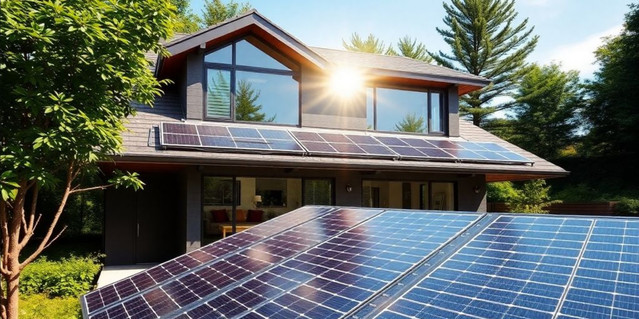
As energy prices continue to rise and environmental concerns become more pressing, homeowners are increasingly exploring renewable energy solutions. Among the most popular options available today are solar panels for home use. These systems allow homeowners to generate electricity from sunlight, reducing dependence on traditional power grids while lowering monthly utility bills.
The growing affordability of solar technology has made it accessible to more households than ever before. Modern solar systems are efficient, durable, and capable of providing significant long-term savings. Beyond financial benefits, solar energy contributes to environmental sustainability by reducing greenhouse gas emissions and reliance on fossil fuels.
Whether you’re considering a complete solar installation or simply researching renewable energy options, understanding how residential solar systems work is essential. This guide explores the benefits, components, installation process, costs, maintenance requirements, and future trends related to solar panels, helping homeowners make informed decisions about investing in clean energy.
What Are Solar Panels for Home?
Solar panels for home are devices designed to capture sunlight and convert it into usable electricity. They consist of photovoltaic (PV) cells that absorb solar energy and generate direct current (DC) electricity. An inverter then converts this DC electricity into alternating current (AC), which powers household appliances and electronics.
Residential solar systems can be installed on rooftops, garages, or ground-mounted structures depending on available space and sunlight exposure. Once installed, they provide a reliable source of renewable energy throughout the year.
Solar panels come in various sizes, efficiencies, and technologies. Advances in manufacturing have significantly improved performance while reducing costs. Today’s systems can generate substantial amounts of electricity even in less-than-perfect weather conditions.
Many homeowners choose solar energy to lower electricity bills, increase energy independence, and reduce their environmental impact. With proper installation and maintenance, solar panels can continue producing power efficiently for decades, making them one of the most valuable home energy investments available.
Why Homeowners Are Choosing Solar Energy
The popularity of residential solar systems has increased dramatically over the past decade. Several factors contribute to this growing interest.

First, electricity costs continue to rise in many regions. Solar energy offers a practical solution by generating power directly at home. This reduces reliance on utility providers and helps stabilize long-term energy expenses.
Second, environmental awareness has encouraged many households to adopt cleaner energy sources. Solar power generates electricity without producing harmful emissions, making it an eco-friendly alternative to conventional energy generation.
Third, technological advancements have improved efficiency and reliability. Modern systems are designed to withstand harsh weather conditions while maintaining strong performance levels.
Finally, many governments and local authorities provide incentives that make solar installations more affordable. Combined with lower equipment costs, these incentives have accelerated residential solar adoption worldwide.
As sustainability becomes increasingly important, homeowners recognize solar energy as both an environmentally responsible and financially beneficial choice.
Benefits of Solar Panels for Home
Installing solar panels for home use offers numerous advantages beyond simple energy production.
Key benefits include:
- Reduced monthly electricity bills
- Increased property value
- Lower carbon footprint
- Energy independence
- Protection against rising utility rates
- Minimal maintenance requirements
- Long system lifespan
- Potential government incentives
These advantages make solar energy attractive for homeowners seeking long-term savings and sustainability.
Additionally, solar-powered homes often appeal to environmentally conscious buyers. As renewable energy becomes more mainstream, properties equipped with solar systems may enjoy stronger market demand and higher resale values.
The combination of economic and environmental benefits continues to drive widespread adoption of residential solar solutions across diverse housing markets.
How Solar Panels Work
Understanding the basic operation of solar technology helps homeowners appreciate its effectiveness.

When sunlight strikes photovoltaic cells, electrons become energized and begin moving through the cell material. This movement generates an electrical current. The electricity produced is initially in direct current form and passes through an inverter for conversion into alternating current.
The converted electricity then powers household appliances, lighting systems, and electronic devices. Any excess energy may be stored in batteries or returned to the electrical grid, depending on the system configuration.
Solar production varies throughout the day based on sunlight intensity, weather conditions, and seasonal changes. However, properly designed systems are capable of generating significant amounts of electricity annually.
Advances in solar technology continue to improve energy conversion rates, allowing modern panels to produce more power from the same amount of sunlight than earlier generations.
Types of Residential Solar Panels
Different types of solar panels are available for residential installations. Each offers unique advantages and considerations.
Monocrystalline Solar Panels
These panels are made from a single crystal structure and are known for high efficiency and sleek appearance. They typically require less roof space while producing strong energy output.
Polycrystalline Solar Panels
Manufactured using multiple silicon fragments, polycrystalline panels are generally more affordable. While slightly less efficient, they remain a popular choice for homeowners seeking cost-effective solar solutions.
Thin-Film Solar Panels
Thin-film panels are lightweight and flexible. They can be installed on various surfaces but usually require more space to generate equivalent power compared to crystalline panels.
Choosing the right panel type depends on budget, roof size, energy needs, and aesthetic preferences.
Essential Components of a Home Solar System
A complete solar energy system includes several important components working together.
| Component | Purpose |
|---|---|
| Solar Panels | Capture sunlight and generate electricity |
| Inverter | Converts DC electricity into AC electricity |
| Mounting System | Secures panels to the roof or ground |
| Monitoring System | Tracks energy production and performance |
| Battery Storage | Stores excess electricity for later use |
| Electrical Wiring | Connects system components safely |
Each component plays a crucial role in ensuring efficient and reliable energy production.
Investing in high-quality equipment can improve system performance and maximize long-term returns.
Installation Process Explained
Installing solar panels for home use involves several steps designed to ensure safety and efficiency.
Site Assessment
Professionals evaluate roof condition, sunlight exposure, shading, and energy consumption patterns.
System Design
Engineers create a customized solar solution tailored to household energy requirements.
Permits and Approvals
Necessary permits are obtained to comply with local regulations and utility requirements.
Installation
Panels, wiring, inverters, and mounting structures are installed according to design specifications.
Inspection and Activation
The completed system undergoes inspection before being connected and activated.
Most residential installations can be completed within a few days, though planning and permitting may take additional time.
Cost Considerations and Savings Potential
The cost of solar installation depends on several factors, including system size, equipment quality, labor expenses, and location.
While the initial investment may seem substantial, homeowners often recover costs through energy savings over time. Reduced electricity bills can generate significant long-term financial benefits.
Factors influencing overall savings include:
- Local electricity rates
- Available sunlight
- System efficiency
- Energy consumption habits
- Incentive programs
- Battery storage options
Many homeowners find that solar systems provide attractive returns over their lifespan, which often exceeds 25 years.
As solar technology becomes increasingly affordable, the financial case for residential adoption continues to strengthen.
Maintenance and Longevity
One of the most appealing aspects of solar energy systems is their low maintenance requirements.
Routine maintenance generally includes:
- Cleaning panel surfaces periodically
- Inspecting wiring and connections
- Monitoring system performance
- Removing debris that may block sunlight
- Scheduling professional inspections when needed
Most solar panels are designed to withstand harsh weather conditions, including rain, wind, and temperature fluctuations.
Manufacturers often provide long warranties, reflecting confidence in product durability. With proper care, solar systems can continue generating reliable electricity for decades.
This long lifespan contributes significantly to the overall value of residential solar investments.
Environmental Impact of Solar Energy
The environmental benefits of solar panels for home installations are substantial.
Traditional electricity generation often relies on fossil fuels that release greenhouse gases into the atmosphere. Solar energy produces electricity without direct emissions, helping reduce environmental impact.
Additional environmental advantages include:
- Reduced air pollution
- Lower carbon emissions
- Conservation of natural resources
- Decreased dependence on fossil fuels
- Support for sustainable energy development
As more households adopt solar power, collective environmental benefits become increasingly significant. Residential solar energy plays an important role in global efforts to create cleaner and more sustainable energy systems.
Choosing renewable energy represents a meaningful step toward environmental responsibility and long-term ecological preservation.
Future Trends in Residential Solar Technology
The future of solar energy looks promising as innovation continues to drive improvements in efficiency and affordability.
Emerging trends include:
Advanced Battery Storage
Improved battery systems allow homeowners to store more electricity for nighttime use and emergency backup power.
Smart Energy Management
Artificial intelligence and smart home integration enable better monitoring and optimization of energy consumption.
Higher Efficiency Panels
Research continues to increase energy conversion rates, allowing homeowners to generate more electricity from limited roof space.
Integrated Solar Designs
Solar roofing materials and building-integrated photovoltaic systems provide aesthetically pleasing alternatives to traditional panel installations.
These innovations are expected to make residential solar energy even more attractive and accessible in the coming years.
Conclusion
Investing in solar panels for home use is one of the most effective ways to reduce energy costs, increase property value, and support environmental sustainability. Modern solar systems offer reliable performance, long operational lifespans, and impressive financial benefits for homeowners willing to embrace renewable energy.
Read more: Best Solar Panels in India: Complete Guide for Smart Energy Savings

